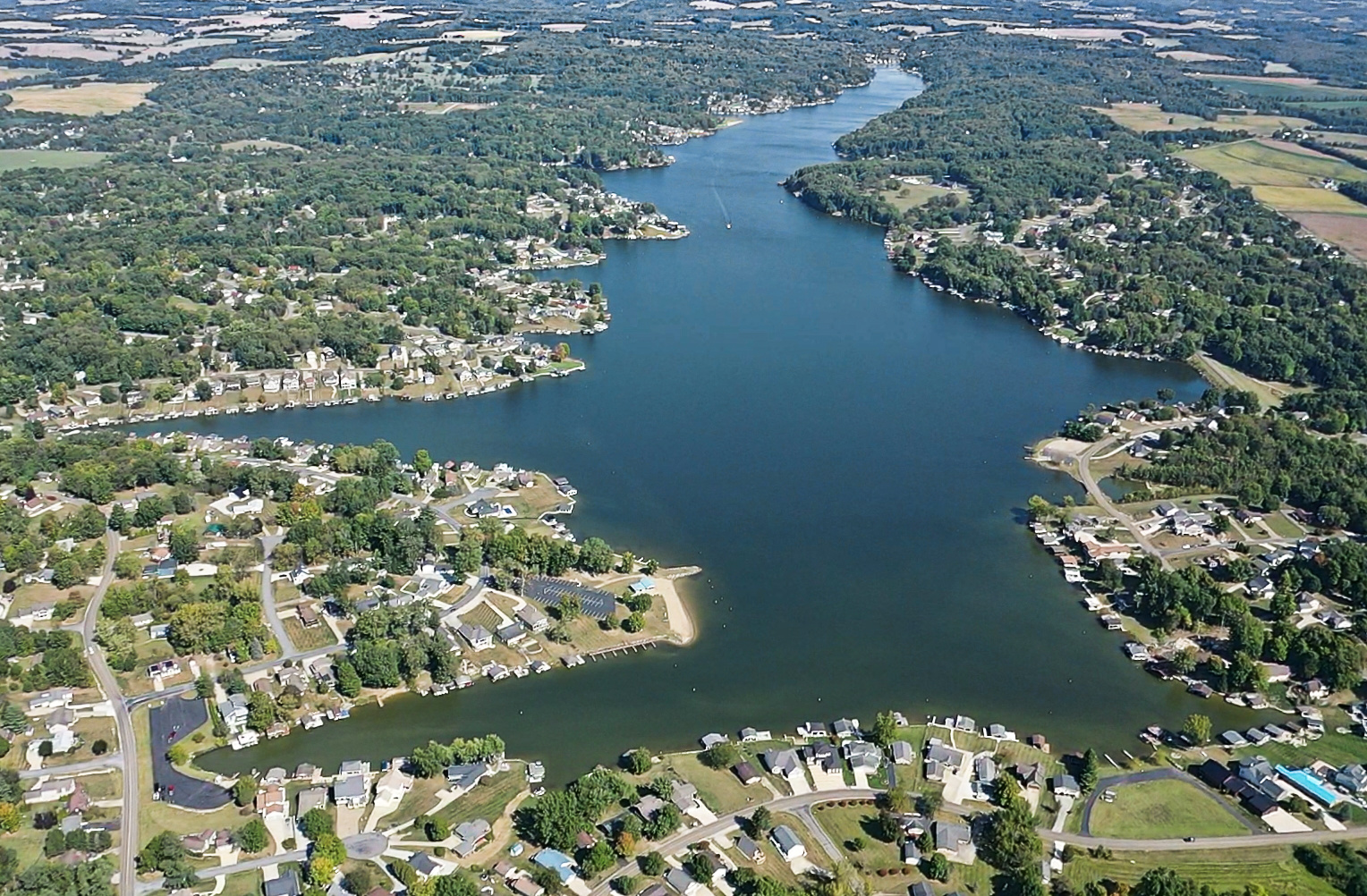
Before buying a lakefront home at Apple Valley Lake, look beyond the view. Compare the slope from the house to the water, the amount of shoreline frontage, the lake setting and the dock, along with boat requirements, ownership costs and the rules that affect your plans.
When you are researching a lake community from out of the area, it can be hard to know which questions to ask. I've lived at Apple Valley for years, and I want you to have useful information before you come to look at homes. A beautiful photograph is a starting point. The next step is understanding how that particular property would work for you.
How do you want to use your lake home?
Start with the life you picture here. Will this be your full-time home, a summer place or somewhere to spend weekends throughout the year? Think about who will visit, how much upkeep you want and what you enjoy doing on the water.
Make a short list of what matters most: an easy walk to the dock, room for guests, outdoor gathering space, a particular view or a home that needs very little work. That list helps you compare properties on more than appearance.
How much shoreline frontage does the property have?
Lakefront homes at Apple Valley have access to the water. What differs is the waterfront itself. For example, one property might have 35 feet of shoreline frontage, while another might have 100 feet.
Look at the amount and shape of the frontage, the dock's location and the outdoor space along the shore. Confirm the property's actual measurements rather than judging from photographs. Our Apple Valley Lake map helps you get oriented; a survey provides property-specific boundaries and measurements.
What is the walk from the house to the water really like?
The ground between the house and the water can range from nearly level to very steep. Walk it yourself. Notice the slope, steps, handrails, surfaces and places to pause. Picture carrying a cooler, fishing gear or towels back up to the house. Consider how that route will work for everyone who regularly spends time with you.
Look at the outdoor areas as a whole, including where people will gather and how they will reach the dock. A route that looks short in a listing photograph can feel different in person.
Does the location fit the way you want to enjoy the lake?
A home tucked deep into a cove offers a different setting from one facing a wide-open part of the lake. Some locations experience more boat wakes. Look at the view from inside the home, the deck and the dock, and think about how the setting fits the way you want to spend time by the water. Morning and afternoon sun, privacy and nearby activity matter too.
Ask what the location is like at different times of day and year. If possible, return at a different time before making your decision. Neither a quiet weekday visit nor a busy summer afternoon tells the whole story.
What should you check about the dock and shoreline?
Ask what is included in the sale, what approvals are on record and whether any repairs or unresolved issues have been identified. Have the appropriate professional evaluate the condition of the dock, lift and shoreline protection when needed.
Property owners are responsible for maintaining their docks in good repair. Dock and shoreline projects have approval requirements. Do not assume an existing dock can be enlarged or changed to match one you have seen elsewhere.
If a particular dock arrangement is important to your purchase, confirm the property-specific requirements before you commit.
Will your boat qualify for use at Apple Valley?
Check the boat you own or intend to buy against the current rules. Length, motor power, watercraft type, registration and membership requirements all deserve attention. Bring the boat's specifications when you ask about eligibility.
Also think through launching, docking and seasonal storage. A boat fitting beside a dock does not establish that it qualifies for use on the lake. Start with our boating guide and confirm your particular setup with AVPOA.
Who will have membership and amenity access?
Do not assume everyone named on a deed will receive a separate membership. This is especially important when relatives, friends or more than one household plan to buy together.
Apple Valley's roads are public, while the lake and association amenities are private. The beaches are gated, and pool admission requires the appropriate member identification. Learn how membership, guests and the intended ownership arrangement work before finalizing the purchase.
Our guide to buying a home in a property owners association explains the questions to ask.
What will ownership cost beyond the purchase price?
Review the property's taxes, insurance quotes, utilities, maintenance needs and association charges. Include the dock, shoreline and outdoor areas in your maintenance planning, along with the house itself. Ask insurers and lenders what information they need about the particular property.
Apple Valley's assessment year runs from April 1 through March 31. Our 2026–2027 fees and membership guide separates required assessments from optional amenity charges. If more than one lot is included, confirm the assessed lots and how they are deeded.
Why does one lakefront home cost more than another?
A useful comparison considers the home and the waterfront setting together. Look at recent comparable sales, the home's size and condition, the view, shoreline frontage, the slope to the water, the cove or open-lake setting and the condition of waterfront improvements.
An asking price tells you what a seller is requesting. A closed sale tells you what a buyer actually paid, but the properties still need to be comparable. A broad waterfront price premium does not tell you what a particular Apple Valley home is worth.
Tell us which properties you are comparing. We can help you look at the differences and the available local sales evidence, then weigh those against what matters to you.
What should you verify before making an offer?
If your plans include a fence, garden enclosure, deck, addition, tree removal, dock work or renting the home, investigate the requirements early. Apple Valley has architectural review requirements, and recorded restrictions can vary by subdivision and property. A neighboring improvement or an old rental advertisement does not establish what is allowed for the home you are considering.
Ask what the home inspection includes and what needs a separate specialist. Dock condition, shoreline work, drainage, electrical service near the water and property boundaries may require additional attention. Review the seller's disclosures and available repair or approval records. A survey, title review and the appropriate professionals can answer questions that a general home inspection cannot.
Your agent should help you identify the questions that matter to your plans, explain the differences between properties and know where to obtain reliable answers. At Apple Valley, that includes membership, boating, dock arrangements, restrictions and the practical details of enjoying the lake.
I want you to feel comfortable asking questions, including the ones that seem small. If you are coming from out of the area, tell us what you hope to do here and what you are unsure about. That gives us a useful starting point for your visit.
Explore Apple Valley lakefront homes, or talk with Joe and Sherrie about the home and lake setting you have in mind.
References: Local perspective draws on my experience living at Apple Valley Lake. Community requirements were checked against the 2026 AVPOA Member Handbook, including membership, architectural review and dock provisions, and the fee schedule effective April 1, 2026. Visit the Apple Valley Property Owners Association for current documents and updates. Recorded restrictions and approvals must be checked for the individual property.